Physical Address
304 North Cardinal St.
Dorchester Center, MA 02124
Physical Address
304 North Cardinal St.
Dorchester Center, MA 02124


Hurting knees could mean arthritis, ligament tears, meniscus flips, or infection—but which warning signs matter most and when to act?
Knee screaming at you? You’re not imagining it—pain often comes from worn cartilage (osteoarthritis), a torn ACL/MCL, a flipped meniscus, a cranky kneecap that tracks off, or overuse issues like patellar tendinitis or IT‑band irritation. Hot, red, swollen? Think bursitis, gout, or infection. Can’t bear weight, knee looks deformed, or you’ve got fever? That’s urgent. Ice, rest, compression, gentle motion help—brace if unstable. What triggers match your story—day one, or years in the making?

Even though it often creeps up slowly, osteoarthritis is the knee’s most common troublemaker, grinding away cartilage until bone starts talking to bone—loudly. You feel deep, aching pain, morning stiffness, and that crunchy creak—crepitus—on stairs. Swelling shows up after activity. Weather shifts? Yep, sometimes that too. What drives it: age, genetics, prior cartilage injury, excess weight, and repetitive load. Here’s what you can do now. Trim pounds if you need to; every lost pound takes about four off the knee with each step. Strengthen quads, glutes, and calves, two to three days a week—closed-chain moves like sit-to-stands, step-ups, mini-squats. Add cycling or swimming for low-impact cardio. Use a cane in the opposite hand on bad days, or a simple sleeve brace for warmth and feedback. Pace activity, don’t push through sharp pain. Ice after big efforts; heat before motion. When flares spike, discuss topical NSAIDs, injections, or surgery.
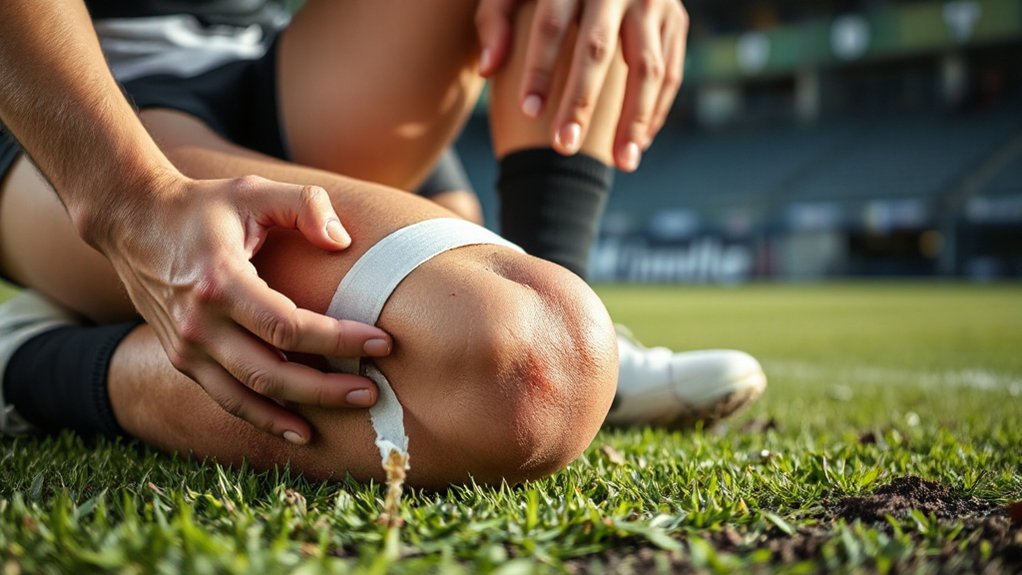
Osteoarthritis sneaks; ligament injuries pounce. You twist, pivot, or get hit, and suddenly your knee shouts. Sprains stretch the fibers; tears rip them. The usual suspects: ACL from abrupt stops, MCL from a side blow, PCL from dashboard force, LCL from awkward landings. Pain is sharp, swelling comes fast, and the knee may feel wobbly, like it’s not yours.
Rehab takes weeks to months. Some full tears need surgery; partial sprains often don’t. Be patient, consistent, smart. Always.

When the meniscus tears or the cartilage thins and frays, you feel it—after a sudden twist on the court or months of steady, grinding wear. Watch for joint-line pain, swelling that pops up later in the day, clicking or catching, locking, and pain with squats or stairs—your knee’s way of clicking “error.” Diagnosis starts with a focused exam (joint-line tenderness, McMurray or Thessaly), then imaging as needed—X‑ray to assess joint space, MRI to map the tear or cartilage loss—so you can pick the right plan fast.
Although your knee is built to bend, twist, and carry you, its cushion and lining can fray, tear, and thin with time or stress. Meniscus tears often start with a sharp pivot, a deep squat under load, or repetitive kneeling. Age matters, yes, but so do choices: training volume, footwear, surfaces, body weight, even sleep.
Do this, and you limit shear forces that shred menisci and thin cartilage, keeping the joint’s hardware working longer.
How do you know it’s more than a cranky knee? Sudden twist, sharp pop, then pain along the joint line—classic meniscus. Swelling within hours, catching, or locking when you squat or pivot. With cartilage wear, pain builds slowly, stairs sting, mornings feel stiff, and grinding or creaking shows up like bad theme music.
Start with a self-check: press the joint line; tenderness? Try a deep squat; does it click or block? Note swelling timing, injury moment, and instability.
Diagnosis isn’t guesswork. A clinician tests McMurray and Thessaly maneuvers, compares both knees, and checks alignment. X‑rays rule out fractures and arthritis; MRI confirms tears and cartilage defects. Can’t straighten your knee, or it locks? Seek urgent care. Otherwise, book sports medicine, soon for proper guidance.
Because your kneecap (patella) has to glide like a sled in a narrow track, even small alignment hiccups can spark big pain. When the patella drifts sideways or rides high, it grinds the cartilage and irritates the joint. You feel it on stairs, squats, after sitting. Sharp, front-of-knee zingers? Classic patellofemoral trouble. The usual culprits: weak inner quad, tight outer tissues, a twisty femur, flat feet, or a shallow groove.
When your patella mistracks, that narrow sled-run screams—stairs, squats, sitting ignite sharp front-knee pain.
If the kneecap slips out or locks, get evaluated—imaging may guide next steps.
You overload the knee with repeated motions—running hills, sudden mileage jumps, endless squats—and the mechanics stack up: tendons pull through the same arc, microtears outpace repair, form slips as fatigue sets in. Watch for tendon inflammation signs: pinpoint pain along the patellar or quad tendon, morning stiffness that eases with movement, warmth or mild swelling, pain with resisted extension—press it and it zings, there’s your clue. Then the IT band gets bossy, rubbing over the outer knee like a rope over a pulley, sparking sharp pain with downhill runs, stairs, or after 20–30 minutes; cut load, tweak cadence, strengthen hips, and ramp up gently to calm the friction.
When training stacks up without enough recovery, the knee’s complaint department opens for business: overuse syndromes like patellar or quad tendinitis and IT band irritation. The mechanics are simple and sneaky: too much force, too often, through tissues that aren’t ready. Repetition magnifies small errors—foot collapse, knee cave, hip drop—until friction and strain add up. Your fixes? Nudge load, clean up form, and improve tissue capacity.
Progress, don’t pummel. Your knee will notice.
How do you know it’s the tendons talking and not the joint? Look for pain you can trace with a fingertip—along a ropey band, not deep inside the knee. It flares with loading: squats, stairs, sprints, even standing after sitting. Morning stiffness that “warms up,” then stings when you push speed or hills. Local swelling, a bit of heat, maybe a faint creak. Press on the patellar or quad tendon—tender? Try a resisted straight-leg raise or a gentle squat hold—sharp, focused pain is a clue. Stretch the front of your thigh, or your outer thigh; tight, pulling ache means the tissue’s irritated. Outer-knee soreness a few centimeters above the joint line suggests band involvement. Rest helps; repeated strain pokes the bear. Easy does it.
Rubbing the outside of the knee raw, IT band friction is the classic runner’s-and-cyclist’s sting—sharp, burning, and oddly specific. You feel it at the lateral knee, especially downhill, after longer miles, or when cadence drops. The culprit? A tight, irritated band sliding over the femoral epicondyle. Good news: you can calm it fast, then keep it quiet.
If pain persists, or swelling or locking appears, get evaluated.
Though cartilage and ligaments get most of the blame, fiery inflammation is a common, fixable driver of brutal knee pain. When a bursa flares, the front or inner side of your knee feels hot, puffy, and tender to touch; kneeling or stairs sting. You calm it with relative rest, ice 10–15 minutes, a snug sleeve, and short courses of over‑the‑counter anti‑inflammatories, if they’re safe for you. Add gentle quad and hip stretches, then gradual strengthening.
Gout hits differently: sudden, burning pain, often overnight, with swelling. Triggers include dehydrating drinks, big meat or seafood meals, and some meds. You’ll do best hydrating, elevating, using cold or warm packs as tolerated, and asking your clinician about gout‑specific meds and uric acid control. Other culprits? Rheumatoid or psoriatic arthritis, reactive synovitis after overuse, even crystal cousins like CPPD. Track patterns, foods, stress, sleep. Small levers, big relief. Yes, consistency beats heroics.
Inflammation isn’t the only story; some knee pain means stop and get help. If you felt a crack, saw deformity, or can’t bear weight after a fall, think fracture. If the knee is red, hot, very swollen, and you have fever or chills, think infection—don’t wait. Referred pain fools you: hip arthritis or a pinched back nerve can send pain to the knee. Recent surgery, a puncture, or immune suppression raises the stakes.
Act now.
Bottom line? Your knee pain has a cause, and a plan. Start with basics: rest, ice, anti-inflammatories, a compression sleeve, and gentle range-of-motion. Notice clues—locking, buckling, heat, fever, night pain, or an injury pop—then don’t wait; see a clinician. Ask for X-rays if stiffness rules, MRI if instability or locking persists, and labs if it’s hot and swollen. Strengthen hips and quads, fix footwear, pace mileage. If doubt lingers, get a second opinion. Your move.


