Physical Address
304 North Cardinal St.
Dorchester Center, MA 02124
Physical Address
304 North Cardinal St.
Dorchester Center, MA 02124

Curious how a cranky knee quietly wrecks your hip—and the quick checks and fixes to stop it—before it becomes serious?
Your knee hurts, you limp, and—surprise—your hip pays the price. Shorter steps, a turned-out foot, a tilted pelvis; your glute medius and deep rotators work overtime, then get cranky: bursitis, tendons flaring, pinchy joints. Quick checks help: watch your gait in a mirror, note shoe wear on the outer heel, track hip soreness after stairs or long sits. Want the simple screens, the exact fixes, and when to call in a pro?
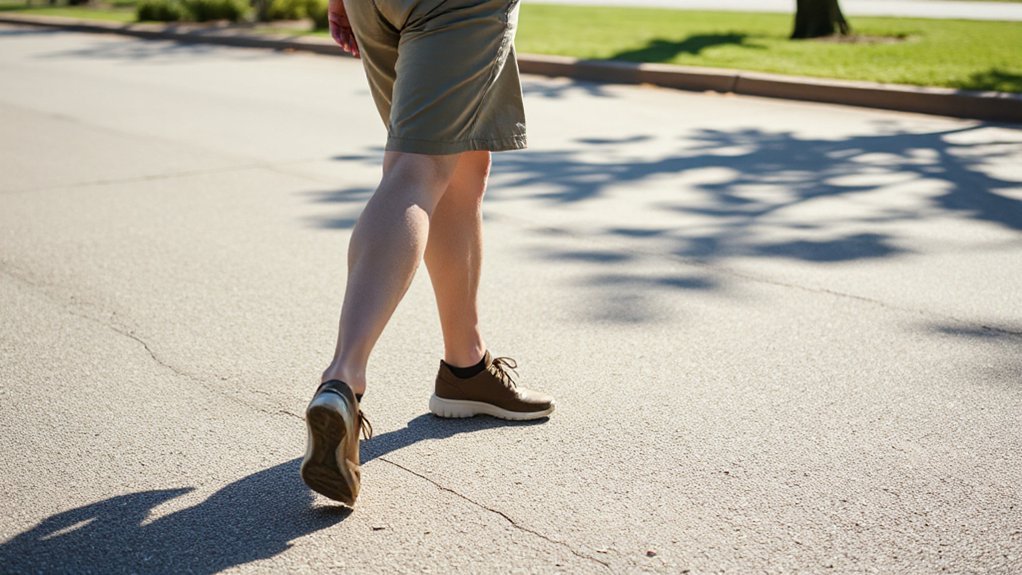
Because your body moves as one system, a cranky knee rarely suffers alone—your hip feels the fallout. The knee sits between the foot and hip, so when alignment drifts—knees caving in, thigh rotating, pelvis tipping—the hip takes extra stress. Think of a door hinge: if the screws tilt, the frame groans.
Do a quick alignment audit. Stand barefoot, feet hip‑width, knees pointing straight ahead, kneecaps stacked over second toes, pelvis level. Notice if one knee turns inward, if your thigh bone rotates, or if your waistband hikes up on one side. That’s your map.
Correctives? Strengthen lateral glutes with side‑lying leg lifts, clamshells, and banded hip abductions. Open tight quads and hip flexors with a gentle couch stretch. Mobilize ankles and big toes, so the knee doesn’t twist to find motion. Use a mirror, or snap photos front and back. Small changes, consistent reps, cleaner alignment, calmer hips.
Even before you notice the ache, knee pain quietly rewires your walk and where forces go. You shorten stance time on the sore side, take quicker, smaller steps, and shift weight fast to the other leg. That’s the classic antalgic gait. You might toe‑out, stiffen the knee, and keep it slightly bent to dodge the shock of heel strike. Ground reaction forces move inward, the pelvis tilts, and you lean your trunk to keep balance—clever, but costly.
Here’s what to watch: stride length drops, cadence ticks up, step width widens on bad days. Stairs? You lead with the good leg up, the sore leg down. Try this reset: slow your pace, land softly, roll through the foot, and let the knee flex a little. Keep the steps quiet. Aim for symmetrical arm swing. On flats, practice equal stance counts—one‑two, one‑two. Small, consistent tweaks retrain load transfer without drama.
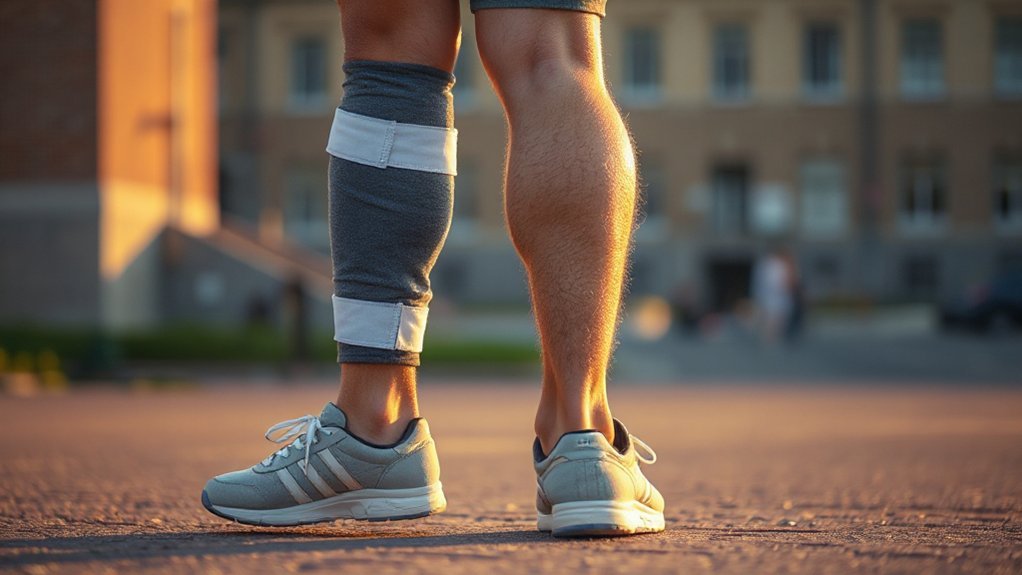
When your knee hurts, you change how you walk—hello altered gait stress—which tilts your pelvis and makes your hip muscles work overtime. That mismatch piles on hip joint overload, showing up as outer-hip bursitis, a deep groin ache from labral irritation, or stubborn gluteus medius tendinopathy. You can spot the pattern—and start breaking it—with shorter steps, stronger glutes, supportive shoes, and a quick check-in with a physio to recalibrate your stride before small problems turn big.
Although your knee sits below the hip in the chain, it can boss your stride around—and your hip pays the price. When the knee hurts, you limp, turn your foot out, or shorten one step. That tweaks pelvis tilt, adds twist at the femur, and asks small stabilizers to do big jobs. Hello, cranky glute med, tense TFL, and a grumpy piriformis. What helps? Nudge your cadence up, take shorter, even steps, keep your nose-belly-button-toes pointing forward. Practice weight shifts, mini-squats to a chair, and slow marches at a counter. Film your walk from behind, check for hip drop. Try a slight wider stance, supportive shoes, and a cane in the opposite hand on longer days. Progress, not perfection—smooth, steady, repeatable. That’s the aim.
Because a sore knee dodges its fair share of work, the hip takes the extra load—and it shows up in real, named problems. You start favoring one side, and boom—trochanteric bursitis, gluteus medius tendinopathy, even labral irritation or early femoroacetabular impingement. Extra torque stresses cartilage, the IT band rubs, and your hip groans before your knee even complains. What helps? Rebalance the workload. Strengthen abductors and rotators: side-lying leg lifts, clamshells, monster walks, step-downs. Shorten your stride, raise cadence a touch, and keep feet pointed forward. Use a cane on the opposite side during flares, ice the lateral hip, and swap worn shoes. Consider arch support or a mild heel lift if lengths differ. Still hurting after two weeks? Get assessed—don’t wait. Seriously, now.
Even if your knee is the headline act, your hip will often steal the show with warning signs you shouldn’t brush off. Sharp groin pain when you stand, climb stairs, or pivot? Don’t normalize it. Pain that wakes you at night, or deep ache that lingers after rest, signals more than simple soreness. Can’t bear weight, or you’re limping by noon though you started fine? That’s a red flag. Catching, locking, or painful clicks inside the joint, especially after a twist, can mean a labral or cartilage issue. New swelling, warmth, or redness over the hip, plus fever or chills—seek care now. Numbness, tingling, or weakness down the leg may point higher up, but your hip’s paying the price. Visible tilt, leg giving way, or sudden loss of motion after a fall? Get evaluated. And if pain spreads from hip to low back or groin and keeps escalating.
You can spot knee-to-hip trouble at home with three quick screens: the Single Leg Balance Test, the Sit to Stand Test, and a Hip Hinge Check. Stand barefoot near a counter and balance on one leg for 30 seconds—watch for wobble, knee caving, or a hip drop; do 10 sit-to-stands from a chair without using your hands, knees tracking over toes; then place a broomstick along your spine and hinge at your hips, shins mostly vertical, ribs down—feel it in your glutes, not your back. If you can’t hold 20–30 seconds, need your hands to stand, or hinge turns into a squat, that’s a sign your knee may be pushing extra stress to your hip—note the results, retest in a week, and if pain pops up or things feel lopsided, stop and check in with a pro (your future self will thank you).
While fancy tests are great, a quick single leg balance check at home can tell you a lot about how a cranky knee may be messing with your hip. Stand near a counter and set a timer. Lift one foot an inch, keep your knee soft, eyes forward.
Compare sides. If the sore-knee side bombs, train daily: calf raises, single-leg stands, mini reaches. Progress slowly, retest weekly.
Because it’s quick and telling, the sit-to-stand test lets you see how a touchy knee can make your hip work overtime. Sit on a chair without arms, feet hip-width, toes forward, shins vertical. Cross your arms, or touch the table for balance. Stand up and sit down 10 times, smooth and steady, no pushing with hands. Notice: does one knee cave inward, slide forward, or avoid bending? Do you shift to one side, twist your trunk, or feel your hip burn before your thigh? Time it—under 15 seconds feels strong; over 20, or needing momentum, says compensate city. Try a low seat, then a higher one to compare. Pain, popping, or wobbles? Stop, note which side misbehaves, and flag it for strengthening and mobility.
Hinging from your hips is the cleanest way to see whether a cranky knee is bossing your hip around. Feet hip-width, toes forward. Soften your knees, then push your hips back like you’re closing a car door with your backside. Keep your spine long, shins vertical, weight mid-foot to heel.
Do 5 slow reps. If pain spikes, stop, note the misbehaving side, and modify bends—sink back, spread weight, shorten depth. Clean hinge, happier hip.
Even if your knee’s been calling the shots, you can retrain the system with focused moves that steady the hip and wake up the right muscles.
If your knee’s calling the shots, retrain with hip-steadying, muscle-waking moves.
Start with side-lying clamshells, 2 sets of 12–15, slow, keep hips stacked, no rolling. Add bridges, feet hip-width, squeeze glutes like you mean it, hold two seconds, 3 sets of 10. Then monster walks with a light band, tiny steps, knees soft, 2 laps.
Next, practice a box squat to a chair. Tap, stand tall, maintain a slight forward torso, 3 sets of 8, pain-free depth only. Step-ups to a low stair, drive through the heel, pelvis level, 2 sets each side. Sprinkle in single-leg balance, 30 seconds, eyes forward; reach your free foot back, side, back—controlled.
Finish with hip airplanes against a wall, small range, crisp breathing. Progress every week: more control, longer holds, a smidge more resistance. Consistent, not heroic.
While your hip does the heavy work, your shoes set the stage—and a wobbly stage makes everything upstream grind. Cushion matters, but alignment matters more. If your knee caves in or your arch collapses, your hip compensates, minute by minute. So upgrade the base. Choose shoes with firm heel counters, torsional stiffness, and roomy toe boxes. Add orthotic support if your arch needs guidance—over-the-counter works for many, custom isn’t always required. Then tweak the small habits that stack up.
Stand tall, soft knees, toes forward.
So when should you call in backup? If knee or hip pain lasts beyond two to three weeks, limits stairs, sleep, or walks, keeps returning after rest, or you feel catching, locking, giving way, or numbness—book a pro. Red flags? Fever, sudden swelling after a pop, night pain, trauma. Don’t tough it out.
Start with a physical therapist or sports medicine clinician. You’ll get a movement screen, gait analysis, and targeted plan: quad and glute strength, hip mobility, core, balance, and gradual load. Bracing, taping, or a cane can buy calm while you rebuild.
Still flaring? Ask your doctor about imaging—X‑ray for joints, ultrasound for tendons, MRI for stubborn mysteries. Meds may help: NSAIDs, topical anti‑inflammatories, or a short steroid injection; hyaluronic acid for select knees. Orthotics, yes, when alignment says so, not just because they’re shiny.
Stalled after 8–12 weeks? Discuss advanced options or surgical consult. Teamwork.
Bottom line: your knee and hip share the workload. When the knee falters, the hip pays. So act now. Do the quick self-checks, tweak your gait, pick shoes with firm heel counters, and practice clamshells, sit-to-stands, and calf raises. Ease pain with short walks, ice after flare-ups, and a cadence, not giant strides. Still limping, night pain, or sharp catching? Book a pro—PT or sports med. Fix the knee, spare the hip, move better, longer.


