Physical Address
304 North Cardinal St.
Dorchester Center, MA 02124
Physical Address
304 North Cardinal St.
Dorchester Center, MA 02124

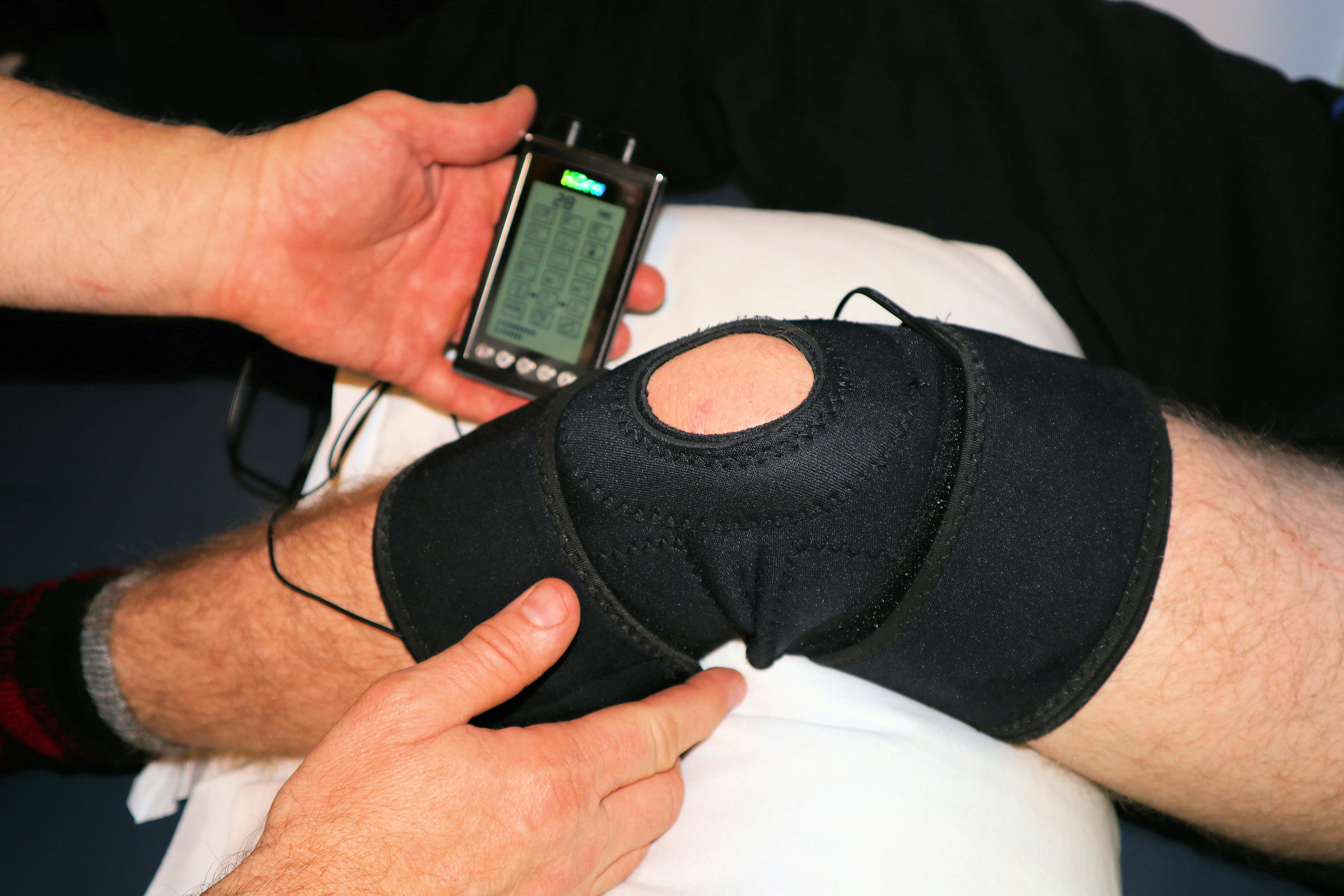
Knee pain is a prevalent condition that affects millions of individuals worldwide, often leading to significant impairment in mobility and daily functioning. It can arise from various factors, including injury, degenerative diseases, and underlying medical conditions, highlighting its multifaceted nature. The knee joint, being one of the largest and most complex joints in the body, is particularly susceptible to wear and tear over time, which can contribute to pain and discomfort.
Severe knee pain can manifest in several ways, commonly characterized by sharp, aching, or throbbing sensations. Individuals may experience difficulty in bending, straightening, or bearing weight on the affected knee, which can severely limit physical activity. This limitation can lead to a reliance on mobility aids, such as crutches or braces, in some cases. In addition to physical symptoms, knee pain can also take an emotional toll, as chronic discomfort may result in frustration, anxiety, and reduced quality of life.
The impact of knee pain extends beyond the physical realm; it can disrupt personal and professional life, altering one’s ability to participate in activities they once enjoyed. Sports enthusiasts may find themselves sidelined, while those engaged in physically demanding occupations may seek reassignment or adjustment due to their condition. Moreover, the associated inflammation and discomfort can lead to sleep disturbances, creating a cycle of pain that is difficult to break.
Understanding the underlying causes of knee pain is essential for effective management and treatment. By addressing the root issues, individuals can embark on a path toward relief and recovery, allowing them to reclaim their mobility and well-being.
The knee joint is a complex structure, comprising several components that work in unison to facilitate movement, stability, and flexibility. Understanding the anatomy of the knee is essential for recognizing how various injuries or conditions can lead to severe knee pain.
The knee consists primarily of three bones: the femur, tibia, and patella. The femur, or thigh bone, is the largest bone and fits into the tibia, which is the larger of the two bones in the lower leg. The patella, commonly known as the kneecap, serves as a protective structure that covers the knee joint and aids in the connection between the thigh muscles and the lower leg.
In addition to bones, the knee is stabilized by a network of ligaments that provide support and prevent excessive movement. The crucial ligaments include the anterior cruciate ligament (ACL), posterior cruciate ligament (PCL), medial collateral ligament (MCL), and lateral collateral ligament (LCL). Each ligament plays a vital role in maintaining the alignment of the knee during activities such as walking, running, and jumping.
Tendons are also significant in the structure of the knee. The quadriceps tendon connects the muscles at the front of the thigh to the patella, while the patellar tendon connects the patella to the tibia. These tendons are responsible for transmitting forces generated by muscle contractions, thereby facilitating knee extension and flexion.
Cartilage, particularly the articular cartilage and menisci, is another essential component of the knee. The articular cartilage provides a smooth surface for the bones to glide against, while the menisci act as shock absorbers between the femur and tibia, distributing weight and reducing friction in the joint. Damage to any of these structural components can result in severe knee pain and functional limitations, underscoring the importance of this anatomy in understanding knee health.
Knee pain is a prevalent concern among individuals of all ages, often stemming from various underlying conditions and injuries. Understanding these common causes can aid in seeking appropriate treatment and managing symptoms effectively. One of the leading causes of knee pain is osteoarthritis, a degenerative joint disease characterized by the breakdown of cartilage. This condition often leads to stiffness and swelling, significantly impacting mobility and quality of life.
Rheumatoid arthritis is another significant contributor to knee pain. Unlike osteoarthritis, this autoimmune disorder causes inflammation in the joints, leading to severe discomfort and potentially affecting both knees simultaneously. Patients with rheumatoid arthritis may experience persistent pain, especially during periods of inactivity.
Ligament injuries, such as anterior cruciate ligament (ACL) tears, are common in athletes and can result from sudden twisting or heavy impacts to the knee. These injuries may cause intense pain and instability, necessitating medical intervention. Similarly, cartilage damage, which can occur due to injury or degeneration over time, may restrict joint movement and cause pain during physical activities.
Another common source of knee pain is tendonitis, particularly patellar tendonitis, often referred to as “jumper’s knee.” This condition arises when the tendon connecting the kneecap to the shinbone becomes inflamed, often due to repetitive stress from sports or physical activities. Symptoms typically include localized pain and tenderness around the knee.
In summary, knee pain can arise from various sources, including osteoarthritis, rheumatoid arthritis, ligament injuries, cartilage damage, and tendonitis. Identifying the root causes is crucial for effective treatment and pain management strategies, ensuring individuals can maintain an active and fulfilling lifestyle.
Knee pain is a common complaint among individuals, often arising from various injuries. Understanding these injuries is vital for effective management and recovery. Among the most prevalent injuries that can lead to severe knee pain are anterior cruciate ligament (ACL) tears, meniscus tears, and patellar tendinitis.
An ACL tear is one of the most frequently discussed knee injuries, often occurring during activities that involve sudden stops, jumps, or changes in direction. The mechanism behind an ACL tear typically involves a combination of twisting the knee while bearing weight. Symptoms include sudden pain, swelling, and a feeling of instability within the knee joint. This instability can significantly impact an individual’s ability to engage in physical activities.
Meniscus tears are another common source of severe knee pain. The meniscus consists of cartilage that acts as a cushion between the femur and tibia. Injuries to the meniscus often arise from forceful twisting movements or direct impact to the knee. Individuals with this type of injury may experience sharp pain, swelling, stiffness, and difficulty fully extending or flexing the knee. These symptoms can worsen with activity, making it essential to seek medical attention for a proper diagnosis.
Patellar tendinitis, commonly referred to as “jumper’s knee,” is an overuse injury affecting the tendon connecting the kneecap to the shinbone. It is particularly prevalent among athletes who frequently jump, such as basketball players. The injury manifests as a dull ache at the base of the kneecap that exacerbates during physical activity, especially jumping or climbing stairs. Individuals may notice swelling and tenderness, which can significantly hinder athletic performance.
Recognizing the signs and symptoms associated with these knee injuries is crucial for timely intervention and treatment, possibly preventing further complications. Appropriate diagnosis followed by targeted rehabilitation can lead to recovery and the resumption of normal activities.
Severe knee pain can be a debilitating issue, often aggravated by chronic conditions such as diabetes and obesity. These health problems not only contribute to the deterioration of overall joint function but also significantly increase the likelihood of experiencing knee pain over time.
Diabetes, for instance, can lead to a condition known as diabetic neuropathy, which affects the nerves responsible for sensation and pain perception in various parts of the body, including the knees. When nerve function is compromised, individuals may not perceive pain until it has reached an advanced stage, leading to further damage and increased discomfort. Additionally, diabetes can promote inflammation in the body, worsening joint pain and stiffness in the knees.
Obesity is another critical factor affecting knee health. Extra weight places additional stress on the knee joints, thereby accelerating wear and tear on the cartilage. This excess pressure can lead to osteoarthritis, a degenerative joint disease characterized by the breakdown of cartilage that cushions the knees. As osteoarthritis progresses, individuals may experience chronic pain, reduced mobility, and less ability to engage in physical activities, potentially leading to a cycle of further weight gain and subsequent knee issues.
Beyond these conditions, other chronic ailments such as rheumatoid arthritis, gout, and certain autoimmune disorders can exacerbate knee pain. These conditions may lead to inflammation or deformity around the joint, resulting in a loss of function and increased discomfort. Thus, recognizing and managing these chronic conditions becomes vital in preventing and alleviating knee pain, ensuring better outcomes for those affected.
Knee pain is a prevalent issue that can significantly impact daily activities and overall quality of life. Various lifestyle choices can exacerbate this condition, and understanding these factors is crucial for prevention and management. One of the most critical contributors to knee pain is the lack of regular exercise.
Physical activity helps to maintain joint flexibility and strength. Without adequate exercise, the muscles surrounding the knee may weaken, leading to increased strain on the knee joint itself. Additionally, sedentary behavior often leads to weight gain, which can further increase the stress and pressure placed on the knee joints, ultimately aggravating pain.
Improper footwear is another significant factor in knee discomfort. Shoes that do not provide adequate support or cushioning can lead to misalignment of the feet and knees. Over time, wearing inappropriate footwear can contribute to pain, as it alters the body’s natural biomechanics. It is essential to select shoes that offer proper arch support and fit well, reducing the risk of knee-related issues.
Obesity is closely linked to knee pain due to the excess weight that adds additional strain on the knee joints. Each pound of body weight exerts approximately four times more pressure on the knees during activities such as walking or climbing stairs. Therefore, maintaining a healthy weight through a balanced diet and regular exercise can significantly reduce the likelihood of experiencing severe knee pain.
Finally, repetitive stress on the knees, often caused by certain jobs or sports activities, can lead to chronic pain. Engaging in activities that involve a lot of kneeling, squatting, or jumping may wear down the cartilage and lead to injury. Understanding the demands placed on the knees and making necessary adjustments can promote knee health and reduce discomfort.
When faced with severe knee pain, it is crucial to take immediate measures to alleviate discomfort and prevent further injury. The first step in managing knee pain effectively is to allow adequate rest to the affected knee. This includes minimizing movement and avoiding activities that can aggravate the pain. Rest plays a vital role in healing, as it allows the body to recover and reduces the strain on the injured area.
Another essential strategy is the application of ice. Utilizing an ice pack on the affected knee can significantly help in reducing inflammation and numbing the pain. It is advisable to apply ice for approximately 15-20 minutes every hour, especially following any activity that exacerbates the knee discomfort. Always ensure to wrap the ice pack in a cloth or towel to prevent skin irritation.
In addition to rest and ice, elevating the knee can also provide relief. Keeping the knee elevated above the level of the heart allows for better blood circulation and reduces swelling. This position can be especially beneficial during rest periods, promoting healing and comfort.
For individuals seeking immediate relief, over-the-counter pain relievers can provide considerable assistance. Nonsteroidal anti-inflammatory drugs (NSAIDs) such as ibuprofen or naproxen can effectively decrease pain and inflammation associated with knee issues. However, it is important to adhere to the recommended dosages and consult with a healthcare professional if there are any underlying health concerns.
These initial self-management steps—rest, ice application, elevation, and the use of over-the-counter medication—can significantly help in managing severe knee pain. However, if the pain persists or worsens, it is imperative to seek medical advice to identify the underlying causes and receive appropriate treatment.
Knee pain can often be an indication of underlying health issues, and recognizing when it is necessary to seek professional help is crucial for ensuring your long-term well-being. Certain warning signs should not be ignored, as they may signify more serious conditions that require immediate medical attention. If your knee pain is accompanied by significant swelling, especially if it appears rapidly, or if you experience severe pain that does not improve with rest and over-the-counter pain relievers, it is advisable to consult a healthcare provider.
Additionally, symptoms such as inability to bear weight on the affected leg, visible deformities, or a pronounced popping or grinding sensation within the knee joint warrant a professional assessment. These symptoms could indicate possible ligament injuries, cartilage damage, or even fractures that necessitate detailed evaluation and intervention. If you find that your knee pain is persistent, lasting beyond a few weeks despite home care, it is equally important to reach out to a medical expert.
When seeking help, it is beneficial to know what type of specialist to consult. An orthopedic doctor is generally recommended for knee issues, as they specialize in treating disorders of the musculoskeletal system. Furthermore, if you suspect that your knee pain is related to inflammatory conditions, a rheumatologist may be more appropriate. Physical therapists can also play an instrumental role in the rehabilitation process, particularly if you require guidance on recovery exercises or rehabilitation strategies.
In addition to these signs, consider your age, activity level, and any past injuries, as these factors can influence the urgency for seeking professional advice. Prompt evaluation can not only alleviate pain but also prevent potential complications, enabling a return to a pain-free, active lifestyle.
Understanding the causes of severe knee pain is paramount for individuals facing this debilitating condition. Throughout this guide, we have explored various potential sources of knee pain, which range from acute injuries to chronic degenerative diseases. Recognizing the distinctions between these causes enables better self-assessment and informed discussions with healthcare professionals.
Key points highlighted include the importance of identifying the symptoms associated with different conditions such as osteoarthritis, ligament tears, and rheumatoid arthritis. This understanding lays the foundation for appropriate interventions and preventative measures. Additionally, we emphasized the significant role of lifestyle factors including weight management, physical activity, and stretching in maintaining knee health and mitigating pain.
Moreover, the necessity of seeking timely medical advice cannot be overstated. Early diagnosis and treatment of underlying issues not only enhance recovery potential but also prevent further complications. Effective treatment options ranging from physical therapy and medications to surgical interventions, depending on the severity and cause of the knee pain, were discussed in depth.
Encouragement is given to those suffering from knee pain to take proactive steps in managing their condition. Engaging with healthcare providers, exploring appropriate treatment strategies, and adopting healthier lifestyles are crucial approaches to mitigating pain and improving quality of life. As we conclude, a thorough understanding of knee pain enables patients to approach their health with confidence and clarity, advocating for the care they need.


